
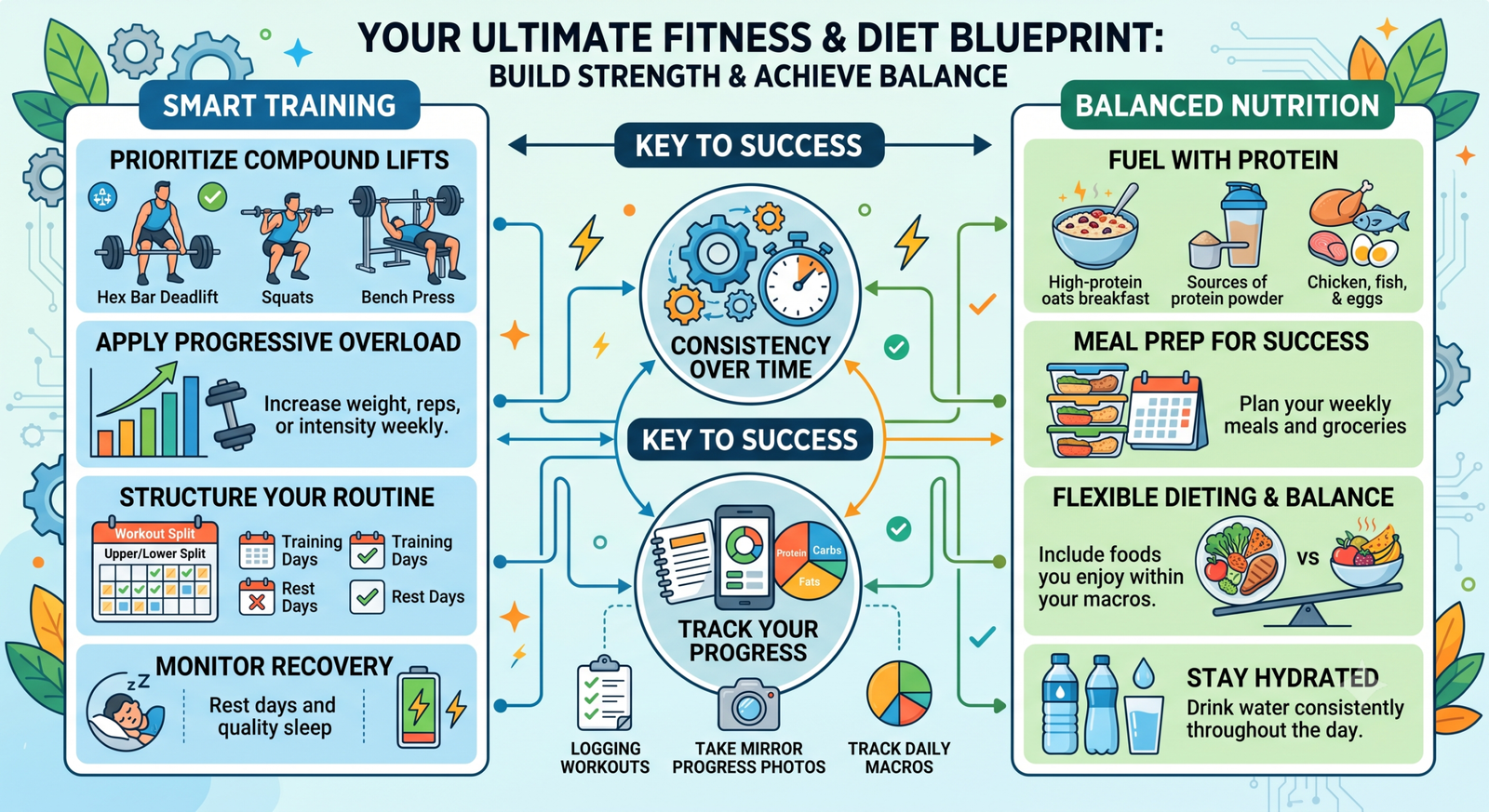
Why Fitness Is Important: Benefits of Staying Active
Maintaining a healthy lifestyle is an important part of living a healthy and balanced life. In today’s world, many people spend long hours sitting at work, studying, traveling, or using phones and computers. As daily movement decreases, making time for physical activity becomes increasingly valuable.
Being physically active is not simply about building muscles or changing your appearance. It can help your body move efficiently,y improve strength and endurance,ce support well-being, and make everyday activities easier. You don’t have to be an athlete or spend hours at the gym to become healthier. Walking, cycling, swimming, stretching, sports, dancing, and resistance exercises can all contribute to a healthy lifestyle.
A consistent exercise routine, combined with adequate food, sleep, hydration, and recovery,y can support your overall well-being. Let’s explore the benefits of staying active and how regular movement can improve different areas of your life.
What Does Physical Fitness Mean?
Physical fitness refers to thebody’ss ability to perform activities effectively and recover from them. It includes different components rather than being measured by one factor.
Important areas include:
endurance
Muscular strength
Muscular endurance
Flexibility
Balance
Coordination
Mobility
Physical stamina
Different forms of exercise can improve different abilities. For example, walking and cycling can support endurance,e while resistance exercises can help develop strength. Stretching and mobility movements can help maintain movement.
Everyone has a starting point. A beginner may start with walks while someone with more experience may follow a structured training program.
1. Supports Heart Health
One of the benefits of regular physical activity is its relationship with cardiovascular health.
Activities such as walking, jogging, cycling, swimming, ng and dancing make the heart work harder and can help improve aerobic capacity when performed regularly.
Better cardiovascular conditioning can make activities such as climbing stairs, walking longer distances, or carrying groceries feel easier.
You don’t necessarily need workouts to become more active. Moderate activities performed consistently can be a starting point for many people.
2. Helps Build Muscles
Muscular strength is useful not only for athletes but also for everyday life.
Resistance training, bodyweight movements, ts and certain physical activities can help develop and maintain muscle strength.
Common exercises include:
Squats
Push-ups
Lunges
Rows
Shoulder presses
Planks
Deadlifts
Beginners should focus on learning movement patterns and gradually increasing difficulty rather than immediately trying to lift heavy weights.
Stronger muscles can help support movements and make physical tasks easier.
3. Supports Healthy Bones
Weight-bearing activities and resistance exercises can contribute to maintaining bone health.
Walking, jogging, stair climbing and strength training are examples of activities that place physical demands on the body.
Maintaining movement throughout life can be particularly valuable for supporting mobility and physical independence as people age.
A balanced routine that includes resistance work, aerobic activity and mobility exercises can provide a rounded approach to physical health.
4. Can Support Healthy Weight Management
Physical activity uses energy and can contribute to maintaining a body weight when combined with an appropriate eating pattern.
However, your body weight is influenced by factors, including food intake, activity level, sleep, genetics, medications, and individual health conditions.
Instead of focusing only on the number on a scale, consider the broader benefits of becoming more active.
Regular movement can help you develop habits,s improve strength,t,h increase endurance,ce and support your ability to participate in everyday activities.
5. Improves Physical Endurance
Have you ever felt tired after walking a distance or climbing a few stairs?
Improving capacity can help your body handle physical activity more efficiently.
Walking, jogging, cycling, swimming, and recreational sports can gradually improve stamina.
Start at a level that feels manageable and gradually increase the duration or intensity as your conditioning improves.
6. Supports Mental Well-Being
A healthy lifestyle isn’t just about physical health. Regular movement can also be a part of maintaining mental well-being.
Exercise can provide a break from work, studies, or daily responsibilities. A walk outdoors, gym session, cycling trip,p or sports activity can give you time to shift focus to something and connect with your surroundings.
Some people also find activity useful as part of their stress-management routine.
The key is to choose activities that you enjoy and can perform consistently.
7. Can Improve Daily Energy
Activity may feel tiring when you first begin, but developing better endurance and strength can make everyday movement easier.
As your cardiovascular conditioning and muscular capacity improve, activities such as walking, climbing stairs, cleaning, shopping, or carrying objects may require effort.
Instead of viewing exercise only as a way to change your appearance, think of it as a way to improve what your body can do.
8. Improves Mobility and Flexibility
Mobility is important for everyday movement.
Stretching, mobility exercises, yoga, and regular activity can help you maintain ranges of motion.
Flexibility and mobility can also contribute to exercise technique. However, er flexibility is one part of physical conditioning. A balanced routine should also include resistance work and aerobic activities.
Simple movements such as bodyweight squats, controlled lunges, hip mobility exercises,ses and gentle stretches can be included according to your abilities.
9. Supports Better Sleep Habits
Regular exercise can be part of a sleep routine for many people.
Physical activity may help create a daily rhythm and support relaxation. However, individual responses. Very intense exercise immediately before bedtime may not feel comfortable for everyone.
Along with movement, good sleep habits include maintaining a schedule, creating a comfortable sleeping environment, and reducing activities that interfere with winding down.
Quality rest is a part of recovery and overall health.
10. Can Improve Confidence
Exercise can help people feel more confident as they notice improvements in their physical abilities.
You might eventually be able to:
Walk
Run longer
Lift heavier weights
Perform more push-ups
Hold a plank for longer
Move more comfortably
Complete everyday tasks with less effort
These improvements can create a sense of progress and encourage you to continue.
Confidence doesn’t have to depend on appearance. Being able to accomplish something that once felt difficult can be a part of your personal journey.
11. Supports Healthy Aging
Remaining active throughout life can help maintain strength, mobility, endurance, and independence.
As people get older, maintaining muscle strength and balance becomes increasingly important for movement.
A suitable exercise program may include:
Resistance training
Walking
Balance exercises
Mobility work, impact aerobic activities
The appropriate type and intensity of exercise depend on individual health, age, abilities and experience.
12. Can Support Better Posture and Movement
Modern lifestyles often involve periods of sitting. Spending much time in one position can make regular movement especially important.
Strengthening muscle groups and taking movement breaks throughout the day can support comfortable posture and movement.
Exercises that train the back, core, hips,s and legs can be components of a balanced routine.
Remember that posture is influenced by factors, rs and there is no single perfect posture for everyone.
13. Teaches Discipline and Consistency
One of the valuable lessons from regular exercise is that progress usually requires consistency.
You may not see changes after one workout. When you continue exercising week after week,ek small improvements can accumulate.
An active routine can encourage habits such as:
Planning workouts
Setting goals
Tracking progress
Managing time
Learning from setbacks
Staying patient
These habits can also be useful in other areas of life.
How to Start an Active Lifestyle
If you are new to exercise, don’t feel that you need to do everything at once
Start with activities.
Step 1: Begin With Walking
Walking is accessible to people and can be adjusted to your current ability. Start with a duration and gradually increase your activity.
Step 2: Add Resistance Exercises
Try bodyweight movements such as squats, wall push-ups, lunges, and planks.
Focus on controlled technique rather than speed.
Step 3: Include Aerobic Activity
As your conditioning improves, consider activities such as cycling, swimming, jogging, or other forms of cardio.
Step 4: Add Mobility Work
Include stretching and mobility movements to help maintain comfortable movement.
Step 5: Take Rest Days
Recovery is a part of training. Your body needs time to adapt to stress.
Common Exercise Mistakes to Avoid
Doing Much Too Soon
Starting with extremely demanding workouts can make exercise difficult to maintain and may increase the risk of injury.
Ignoring Technique
Proper movement technique matters. Learn the exercise before increasing resistance or intensity.
Comparing Yourself With Others
Everyone has a starting point. Focus on your progress rather than comparing your journey with someone else’s
Expecting Immediate Results
Physical changes take time. Consistency is more useful than trying to transform your body within a day.
Ignoring Nutrition and Sleep
Exercise is one part of a healthy lifestyle. Nutritious food, hydration, quality sleep, and recovery also matter.
An Active Lifestyle Is for Everyone
Activity isn’t only for professional athletes or gym enthusiasts.
Children, teenagers, adults,s and older people can all benefit from movement. The type and intensity of activity should be adjusted according to age, ability, health status and individual circumstances.
You don’t need equipment or a fancy gym membership to begin. A pair of shoes and a commitment to regular movement can be enough to get started with walking.
As your confidence increases y, you can try types of exercise and build a schedule that works with your daily life.
Final Thoughts
Regular activity has benefits that’re much more than just how you look. It can help make you stronger, more energetic, more flexible, better at heart and lung function, and better at doing daily tasks. It can also be a part of staying mentally healthy and forming better daily habits.
The best exercise plan is one that you can do safely and keep doing. You don’t have to start with workouts or change your whole life in a day.
Start small. Walk more. Move often. Add strength training. Eat food. Drink water. Get rest and let your body heal.
Importantly, be kind to yourself.
A healthier life is created through regular steps. Begin where you are, keep going, and focus on getting stronger day by day.
1 Comment
[…] With consistency and a balanced training rout,ine back exercises can help you develop a stro,nger more s,table and more athletic physique. […]